

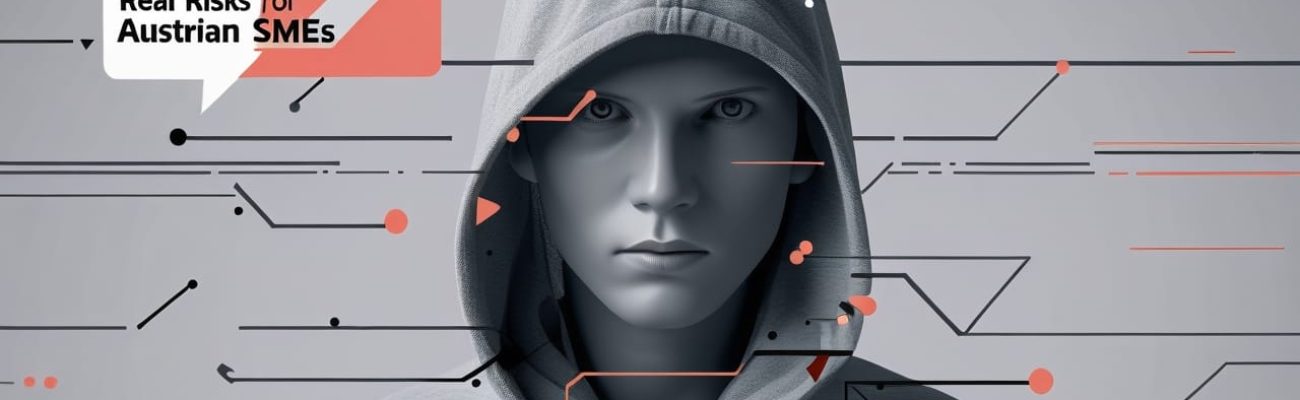
This in-depth article provides expert-level insights into securing your website against the growing threat of cyber attacks, specifically addressing the risks faced by Austrian SMEs. It explains prevalent vulnerabilities, outlines essential countermeasures and regulatory considerations, and shares actionable advice based on real-world experiences. You will gain a complete understanding of how to protect sensitive customer data and your business reputation while improving website performance and credibility. This article is an indispensable guide for any SME serious about digital security in today’s rapidly evolving online landscape.
Table of Contents
Introduction
Understanding the Cyber Threat Landscape
Common Vulnerabilities in SME Websites
Essential Security Measures for Austrian SMEs
Compliance, Regulations, and Best Practices
Real-World Case Studies: What Happens When Security is Breached
Integrated Web Solutions to Enhance Security
Future Trends in Website Security and Implications for SMEs
Risk Mitigation Strategies and Actionable Advice
Introduction
The digital frontier offers immense opportunities for business growth, but it also exposes every company to the dangers of cyber attacks. For Austrian SMEs, the threat of a security breach is particularly alarming given limited budgets and resources. The urgency is rising as cyber criminals become more sophisticated and daring, targeting vulnerabilities that can have catastrophic financial and reputational impacts.
In today’s interconnected world, a website is much more than just a digital storefront; it’s a hub of transactions, data exchanges, and critical business information. As a result, investing in robust website security is an essential part of any overall business strategy. This article dives deep into the real risks that hackers pose to SMEs in Austria and offers concrete strategies for securing your online presence.
Understanding the Cyber Threat Landscape
The cyber threat landscape is constantly evolving, with hackers deploying increasingly sophisticated methods to breach security systems. For Austrian SMEs, the risk is not only financial but also related to loss of customer trust and damage to brand reputation. Understanding which types of attacks are most common is the first step in creating a resilient security framework.
Phishing, Malware, and Ransomware
Phishing remains one of the most notorious entry points for malware and ransomware attacks. Cyber criminals use deceptively crafted emails or websites to lure employees into unwittingly providing login credentials or downloading harmful software. The impact can be a complete lockdown of critical data until a ransom is paid.
DDoS Attacks and Website Downtime
Distributed Denial of Service (DDoS) attacks are another significant risk facing SMEs. By overwhelming a website with a flood of illegitimate traffic, these attacks can force a website offline, leading to lost sales and diminished customer service. The implications are especially dire for smaller businesses without the capacity to absorb prolonged downtime.
It’s vital to stay informed about emerging threats and secure appropriate defenses that can adapt to new cybersecurity challenges.
Common Vulnerabilities in SME Websites
Many Austrian SMEs operate under tight budgets, often resulting in security being an afterthought during website development. However, even minor oversights can create gateways for cyber criminals. Identifying vulnerabilities is a proactive approach to minimizing risk and safeguarding your digital assets.
Outdated Software and Unpatched Systems
A frequent vulnerability is running outdated software or neglecting critical security patches. Cyber criminals actively search for systems with outdated components, leveraging known exploits to gain access. Regular updates and patches are crucial to maintaining robust defenses.
Weak Passwords and Mismanaged Credentials
Weak passwords remain a persistent problem across many SMEs. Simple, commonly used passwords can be quickly deciphered or hacked using brute-force methods. Implementing multi-factor authentication and strong password policies can drastically reduce this risk.
Insecure Plugins and Third-Party Integrations
Many SMEs rely on plugins and third-party integrations to extend their websites’ features. However, if these components are not regularly reviewed for security flaws or are sourced from untrusted providers, they can introduce vulnerabilities. An example of mitigating such a risk is to ensure all external components are updated and verified.
Establishing a regular review schedule for all website components is an effective strategy to mitigate vulnerabilities before they can be exploited by hackers.
Essential Security Measures for Austrian SMEs
Implementing appropriate security measures is paramount for Austrian SMEs to protect their websites and data. The investment in security not only defends against cyber threats but also assures customers that their sensitive information is safe. Below are some essential security measures to consider for your business:
SSL/TLS Encryption
Encrypting data transmitted between your website and users is fundamental. SSL certificates, which have become a standard in website security, prevent unauthorized access to data by encrypting communications. Whether you run an online store or a corporate site, SSL/TLS encryption is mandatory for protecting customer data.
Regular Backups and Disaster Recovery Plans
In the event of a security breach or other unexpected problems, having a robust backup and disaster recovery plan can mean the difference between a minor inconvenience and a catastrophic business interruption. Scheduling regular backups and securely storing them offline can help to rapidly restore operations.
Enhanced Access Controls
Implement strict access controls and regularly review user permissions. Role-based access is a practical way to limit risk by ensuring that employees only have access to information necessary for their role. Additionally, integrating multi-factor authentication (MFA) makes unauthorized access significantly more challenging.
Firewall and Antivirus Protections
Installing advanced firewall and antivirus solutions is essential to protect against malware and network intrusion attempts. These tools can actively scan for known threats and block suspicious activities before they compromise your system.
For companies looking for integrated marketing and site design, this landing page service by WAIPIX exemplifies security integration while offering fast execution and optimized conversion strategies.
Compliance, Regulations, and Best Practices
Although the technical measures to secure a website are critical, compliance with legal and industry regulations provides another layer of protection and trust. Austrian SMEs must navigate a range of compliance demands, from GDPR to local cybersecurity standards, to ensure that they are legally covered and accountable.
GDPR and Data Protection Laws
The General Data Protection Regulation (GDPR) is a significant component of the European data protection landscape. Compliance with GDPR is not optional, and failing to adhere to these regulations can result in severe penalties. SMEs should ensure that data collection, storage, and processing practices are fully GDPR-compliant.
Adherence to Industry Security Standards
Beyond legal mandates, following established industry security standards—such as ISO/IEC 27001—can provide a structured framework for managing sensitive information. Implementing these standards helps reassure customers and partners alike that your website is built with security at its core.
Regular Security Audits and Vulnerability Assessments
Conducting regular security audits is a best practice that cannot be overlooked. Vulnerability assessments, either through internal reviews or third-party services, help identify risks before they become serious issues. This proactive approach also involves periodic penetration testing to simulate real-world hacker attacks.
By adhering to these compliance frameworks and best practices, SMEs not only protect their data but also position themselves as trustworthy partners to customers and investors.
Real-World Case Studies: What Happens When Security is Breached
Learning from real-world examples can provide compelling insights into what drives the emphasis on website security. SMEs in Austria and beyond have witnessed first-hand the dire consequences of security breaches. These case studies emphasize that even small vulnerabilities can lead to significant data loss, financial damage, and reputational harm.
Ransomware Attack on a Local Retailer
In one instance, a local retail SME experienced a ransomware attack that locked down critical sales and customer data. The perpetrators demanded a substantial ransom in exchange for the decryption key. Unfortunately, after the company paid, the data was only partially restored, resulting in long-term operational disruptions and loss of trust among their clientele.
SQL Injection Exploit at a Growing Online Store
An emerging online store became the victim of an SQL injection attack. Poor input validation on the website’s forms allowed hackers to access the backend database, exposing sensitive customer records. The fallout from this incident involved costly legal proceedings, which could have been mitigated through better coding practices and regular vulnerability testing.
These examples highlight the importance of not only deploying technical safeguards but also maintaining a vigilant and proactive security posture.
Integrated Web Solutions to Enhance Security
Modern web solutions are increasingly designed with security as a fundamental component, rather than an afterthought. For SMEs operating in competitive markets, integrated solutions that combine security, design, and marketing not only protect your website but also drive business growth. Platforms like WAIPIX provide such all-in-one benefits.
WAIPIX Business Website Solutions
A great example is this WAIPIX business website solution—minimal, fast, and SEO-optimized. It demonstrates how integrated tools can also come with enhanced security features, such as regular security patches, secure hosting environments, and easy implementation of SSL certificates.
Unified Approach: Design, Marketing, and Security
Integrated platforms allow you to manage your website’s security while simultaneously addressing design and marketing needs. This unified approach ensures that your website not only looks professional but also operates on a secure, robust infrastructural foundation. Such an approach is particularly beneficial for SMEs, as it minimizes the complexity and cost of managing multiple systems.
By opting for a comprehensive platform like WAIPIX, businesses can benefit from streamlined operations that include fast execution, stylish business websites, and optimized conversions—all while ensuring that security is never compromised.
Future Trends in Website Security and Implications for SMEs
The future of website security will be shaped by advanced technologies and evolving threat landscapes. Austrian SMEs need to stay ahead by understanding emerging trends and preparing for developments that may impact their online operations.
AI and Machine Learning in Cybersecurity
Artificial Intelligence (AI) and machine learning are poised to revolutionize the field of cybersecurity. These technologies can detect irregular patterns, identify potential breaches in real time, and respond to threats with unprecedented speed. For SMEs, leveraging AI-powered security tools can offer an extra layer of protection that adapts to changing attack vectors.
Cloud Security and Remote Work Implications
With remote work becoming more common, cloud-based solutions are increasingly critical. However, cloud security presents its own set of challenges—ensuring that data remains secure as employees access resources remotely demands strict security protocols and advanced access controls. SMEs need to invest in secure cloud services and educate their workforce on best practices.
Blockchain and Decentralized Security Systems
Blockchain technology offers promising advances in secure data storage and management. Although still in the early stages of adoption for website security, blockchain-based solutions may soon provide decentralized verification methods that reduce the likelihood of a single point of failure. As this trend develops, SMEs should consider monitoring its progress and identifying early adoption opportunities.
Staying informed about these trends is vital. Not only can future-oriented measures dramatically reduce the impact of cyber threats, but they also position your business as a forward-thinking and secure partner in the digital economy.
Risk Mitigation Strategies and Actionable Advice
Effective risk mitigation involves creating a dynamic security strategy that adapts to new challenges while addressing existing vulnerabilities. For Austrian SMEs, safeguarding your website is about blending technical precision with intelligent process management. Here are some practical strategies to minimize risk:
Employee Training and Cyber Awareness
Employees are often the weakest link in the security chain. Regular training can empower staff to recognize phishing attempts, apply best password practices, and understand the importance of security protocols. This investment in human capital is just as important as technological improvements.
Developing an Incident Response Plan
Have a clearly documented incident response plan in place. This plan should outline the steps to be taken immediately after a security breach, assign roles to key team members, and detail communication protocols both internally and with customers. Regular drills and updates to this plan will ensure readiness when a real incident occurs.
Continuous Monitoring and Performance Analytics
Deploy advanced monitoring tools that can track suspicious activities and provide analytics to assess the health of your website. Continuous monitoring not only helps in the early detection of potential breaches but also provides insights into overall website performance. Integrating security analytics into regular operational reviews can help in making informed decisions about future investments in security infrastructure.
Budgeting for Cybersecurity
Budget constraints are a common challenge for SMEs. However, the cost of proactive security measures is negligible compared to the potential losses from a hack. Allocate a dedicated portion of your budget to regular software updates, employee training, and external security audits. This proactive expense can safeguard your business and ensure continuity of operations.
Implementing these risk mitigation strategies will not only strengthen your website’s defenses but also build confidence with your customers and stakeholders, ensuring that your business remains secure in the face of evolving cyber threats.
If you’re looking to boost conversion rates with expert design and performance-driven strategy, explore WAIPIX landing page services and see how quickly you can scale. Request a consultation today, share your insights on social media, or leave a question in the comments below to join the conversation on securing your digital future.